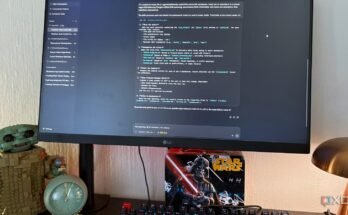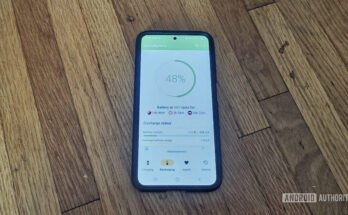
My Lenovo Legion 5 Pro has seen better days. It put me through university from 2021 to 2023, and one of its cooling fans failed, so every time I turned it on, it greeted me with a very horrible scream. Laptops age much more gracefully than desktop computers, so it’s easy to forget them in a drawer and leave them there for a long time. I finally decided to stop ignoring him and start working on making my life easier.
I finally sent it in for repair, and within a month of getting it back, it was priceless. I don’t use it for things like I used to in college. It’s currently running an online ad blocker for my entire home and hosts my game library via an open source utility. I can’t imagine a home network without it anymore.
Ad blocking has become a part of my daily routine
Network filtering with AdGuard pays off
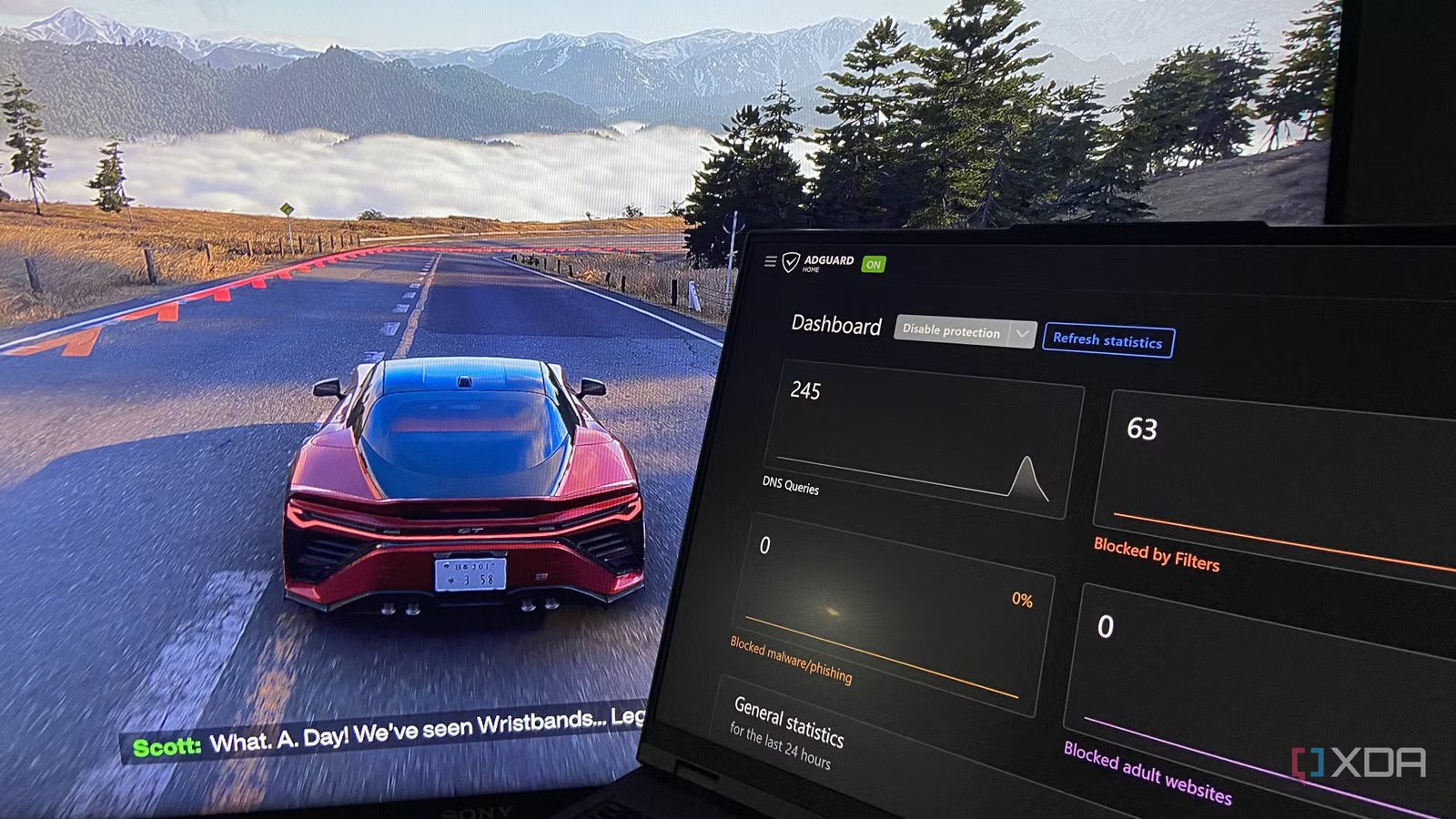
AdGuard Home is something I’ve wanted for a long time, but I never had a host device for it, and I didn’t think I could have an old five-year-old laptop. Because it does DNS filtering for the entire network, every device that connects gets the same protection without being affected by an ad blocker, and my bank account doesn’t even see a subscription fee for it because it’s free.
Its most profound impact has been felt on my mobile devices, such as my iPad and home phones. So did the apps and various websites I went to throughout the day that I found difficult to use the cleaner on. Blocking the AdGuard tracker also helps with ad retargeting, which means I no longer get dozens of offers for product options I searched for once.
It was incredibly easy to set up from the start. I had it up and running in less than ten minutes, probably because I’ve never deployed one before. I installed AdGuard Home on my laptop with a single PowerShell command:
winget install AdGuard.AdGuardHomeI had to restart the shell and reopen it in an elevated shell to run AdGuardHome, I had to register it as a Windows service so it survived all subsequent reboots.
AdGuardHome.exe -s installAfter that, I went through the browser wizard to set the admin login and DNS port, gave the laptop a fixed IP, and then pointed the router’s DNS to that address. If I had known it was so simple, I would have done it ages ago.
A laptop works better as a game server than a gaming device
One machine holds the games and other devices can access them

After running AdGuard, the laptop proved that it could work while sitting in the corner, which made me wonder if there was something else that could take care of it. It would run all day, and a machine that’s always on is wasted running just one service.
My home desktop is running an RTX 2070 Super, which isn’t the biggest GPU in the world right now. The laptop, on the other hand, has a mobile RTX 3070 and most of my library is there. However, it was the form factor of the laptop. It weighs about 5 pounds, runs so hot that I replaced one of its fans, and is a pain to use anywhere without a desk. What good is a good GPU when it’s wasted on a 16 inch laptop that I don’t want to sit on all day?
I’d been running Sunshine and Moonlight on my machines for a while, so setting up my laptop as a host wasn’t an idea I’d flirted with. With a laptop running Sunshine as a host, I can effectively use a 27″ monitor and a 55″ TV, and Moonlight lets me stream from the laptop over the network on both.
An added benefit of this approach is that I never have to download games twice or move them from one location to another. They can stay installed on the laptop and I don’t need to copy the library across two machines or clean up disk space on either machine.
You can teach an old laptop new tricks
And save a lot of dollars while doing it

For a long time, the way to build a community home server has always been to run it on a Raspberry Pi or mini PC and leave it somewhere. The established approach has its merits, however, and the longer I run this setup, the more convinced I am that a laptop is the right device to start with.
There are several reasons for this, and the elephant in the room is of course the battery, which acts as a built-in UPS in case of power loss events. Everything I’ve posted works so the house doesn’t notice anything being cut.
The second is that the screen and keyboard are built into the device, unlike a headless home server. When the admin port went to the wrong number and my dashboards wouldn’t load, I fixed it on the laptop itself, so I didn’t need a spare monitor to dig it out.
Finally, the laptop has a decent RTX 30 series GPU. Hosting games with Sunshine requires something that can actually display them, which the Pi simply can’t do, and most budget mini PCs do very poorly. That said, the laptop draws more power than the Pi, and that’s a trade-off I’ll deal with for now.
Not bad for a machine I haven’t used in years
I didn’t plan for any of this when I sent the Legion out for repairs. I thought I would use it while lying on the couch and casually browsing the internet. Now it can block ads for every device I have and keep my game library ready to stream whenever I want. Perhaps the best part of all of this is that it’s all made possible thanks to some free, open source tools.