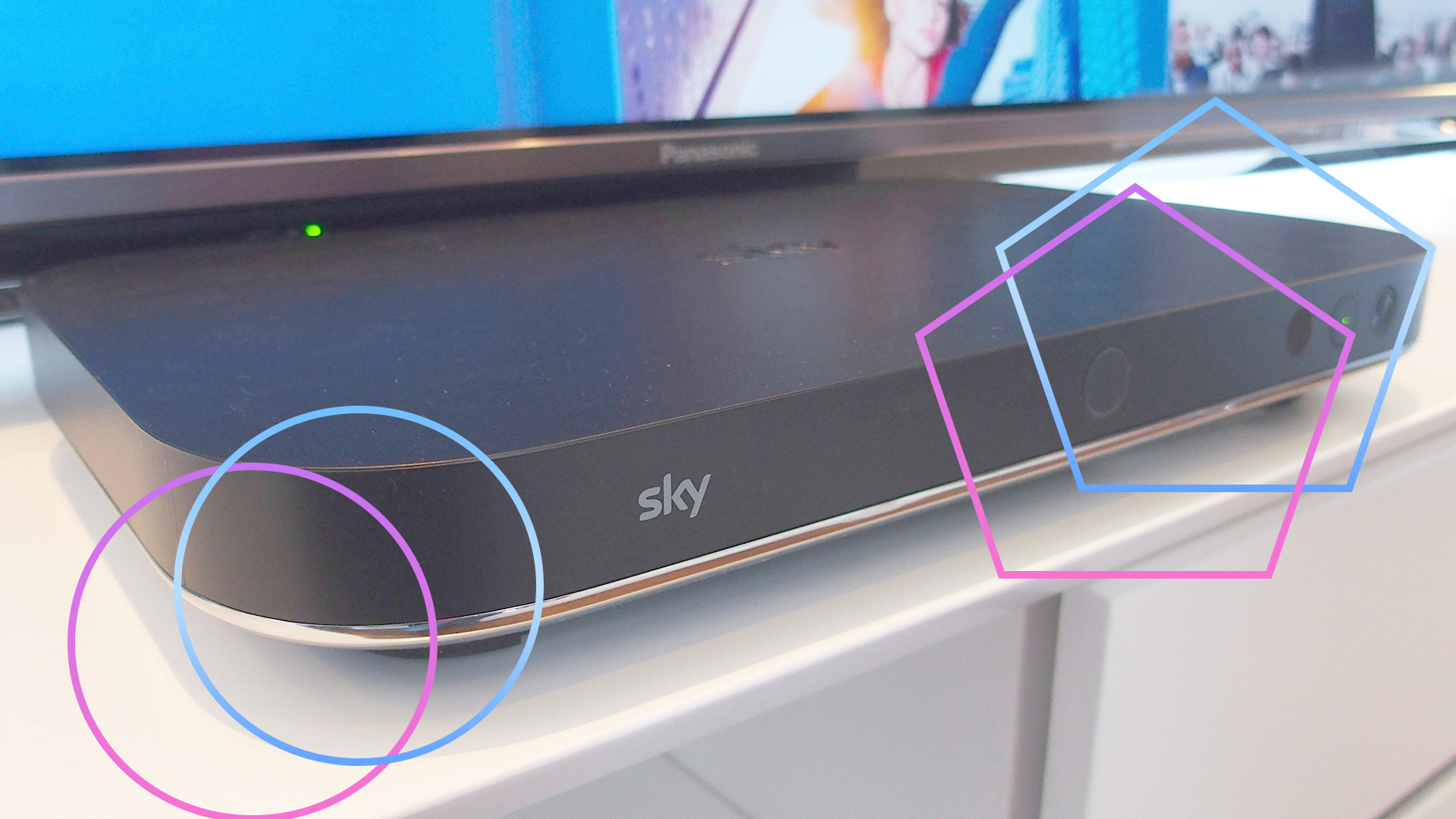
I’ve had Sky Q since day one and continue to happily use it despite the launch of Sky Glass and Sky Stream. However, I worry that Sky Q will be tainted in favor of newer streaming-based services.
However, it seems that Sky Q is in a better position than I thought, as Sky has signed a new deal with SES to use its satellite capacity for broadcast television over the next decade.
Satellite remains popular
Using SES’s 28.2° East satellite capacity, the new agreement extends the previously signed agreement that would have run until 2029. Although the new end date has not been confirmed, we will continue to see satellite TV until at least 2030 and possibly beyond.
In the world of streaming, this might seem odd, but satellite still has a strong following, and I’m personally a big fan of it — and I’m not the only one.
“As we give our customers more choice in how they access Sky, satellite continues to play an important role in how we deliver our services to our customers across the UK and Ireland,” said Nick Herm, Group Chief Operating Officer, Sky. “The agreement with SES provides the reliability, reach and quality of service we need to continue to deliver the viewing experience our satellite customers expect.”
For me, Satellite is a rock solid way to distribute content that is completely outside of broadband and Wi-Fi.
Switch on your Sky Q box, select a channel or recording and you’re ready for instant TV. No buffering, no change in broadcast quality due to speed fluctuations, no dropouts, and what I record is mine for as long as I want, stored on my box until I pay it off.
More reliable and less lag
Broadcast TV, including Sky Q but also Freesat and Freeview, is also better than streaming live events such as football. During recent Euro matches, it was noticeable via iPlayer that my TV was lagging behind the pub by up to 30 or 40 seconds: I was getting the cheers (or boos) from the pub crowds long before my TV followed.
Broadcast TV is as close to live broadcasting as you can get. And as for 4K, it still holds that advantage, but there’s no pressure on broadband.
Sky Ultra HD Premier League satellite broadcasts are brilliant: maximum quality and sharpness, no lag and no pressure on my broadband. By comparison, if you’re watching games on HBO Max via TNT Sports, the difference is stark: the stream always takes a while to switch between quality steps, from sub-SD to 4K. Even at 4K, the stream is far behind satellite.
While broadband speeds have improved across the country, there are still many areas with slow speeds and poor mobile connections; with Sky Q, as long as the dish is somewhere and pointed in the right direction, high-quality TV is yours.
It’s not perfect
Sky Q isn’t perfect. The hardware is a little dated (no Dolby Vision support, for example, and the Mini boxes only support HD, for example), but that’s what most people need. Also, the high price of 4K packages on streaming services makes most people watch in HD at best.
That said, Sky Q continues to offer a different streaming experience and I’m glad it looks like it will be around well into the 2030s.