A few weeks ago, I wrote an article about how local AI servers bring everything full circle away from cloud storage. If Microsoft’s latest move, i.e. reducing the amount of storage available with Microsoft 365, doesn’t work, then the humble NAS looks like a good investment again.
Microsoft 365 Family has long been one of the best value software subscriptions: the full Office suite of desktop apps, plus cloud apps and 1TB of OneDrive storage per user (up to six users) for just £79.99 a year. It was a remarkable value.
Of course, Microsoft bumped up the price to £104.99 a year to “take advantage” of the co-pilot going a bit nuts with AI, but most existing users could switch to the cheaper Classic plan without the co-pilot, and even if they didn’t, it was still a pretty good price for everything.
Same price for less
Yesterday I received an email from Microsoft titled “Upcoming changes to your Microsoft 365 subscription”. I opened it and the first point was “More flexible cloud storage”. I re-read what you wrote and my first thought was that 1 TB per user would be replaced by 2 TB per user. That’s generous, I thought. Then I read it again: “The cloud storage allowance will change from 1 TB per person to 2 TB of shared storage, so everyone on the plan can use the free storage while keeping their own accounts and files private. This change will take effect after the first renewal after May 2, 2027.”
So instead of everyone getting 1TB of cloud storage, everyone has to share everything. That’s fine if you have a lot of light users, but if you have a busy household, 2TB won’t cut it.
In reality, Microsoft has changed 6 TB of cloud storage to 2 TB while charging the same price. It’s not about flexibility; it’s about cost savings. This is shrinkflation. No doubt the high cost of AI, which has driven up the price of storage and memory, has something to do with it, but it’s a rubbish move.
Suddenly NAS seems like a good idea
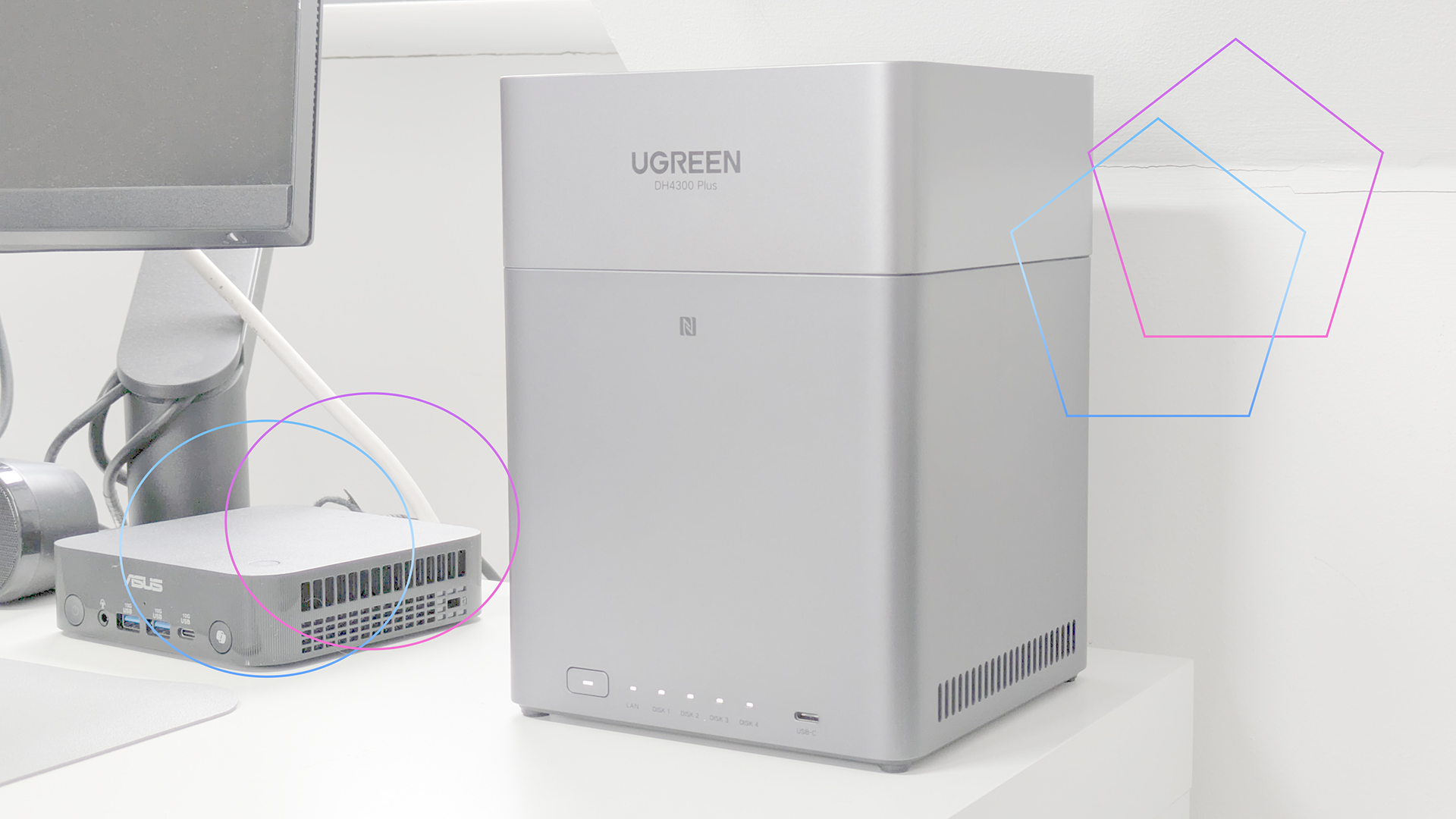
A NAS used to be the heart of the home, providing all the storage you needed, as well as things like photo and video sharing apps. Then cheap cloud storage services like Dropbox came along and it seemed easier to pay the monthly fee. Today NAS doesn’t sound like such a bad idea at all.
Of course, the price of hard drives has skyrocketed recently, but the price of cloud services has increased or, like Microsoft, the amount of storage space has decreased.
And you don’t need to buy a new hard drive; if you have some old computers, you might be able to collect them for parts. In fact, my own NAS is filled with four old 2TB hard drives that I’ve acquired over the years.
I have 6TB of storage in a RAID5 configuration that I can use as I please, with cloud syncing to my devices, plus a full media server of ripped CDs, and a Plex server for movies and TV shows that just aren’t on streaming services.
If something goes wrong, I have to take care of it, but everything is mine and I don’t have to pay for the service every month. At some point, hard drive costs will come down again, but I don’t think companies will roll back the amount of cloud storage or lower monthly subscription costs.
It seems that every company after a monthly subscription, having a NAS that does everything for an upfront cost, feels like it’s the future again.