

Google has announced new AI-powered defenses against scam message and call forwarding abuse on Android, which are currently rolling out to eligible devices.
The new measures aim to counter the increasing sophistication of scams targeting mobile users, including fraudulent bank alerts and voice cloning attacks.
“Mobile scams have evolved far beyond simple robocalls and phishing SMSes and have become sophisticated operations using spoofed numbers, fake bank alerts and AI voice cloning.” Google says.
“As scams become increasingly difficult to detect, it is almost impossible for users to spot every red flag on their own,” the tech giant added.
Google says its existing phone and messaging fraud detection flags more than 5 million suspected scam calls and texts each month, but the new measures are expected to detect even more threats.
Cloud-based fraud analysis
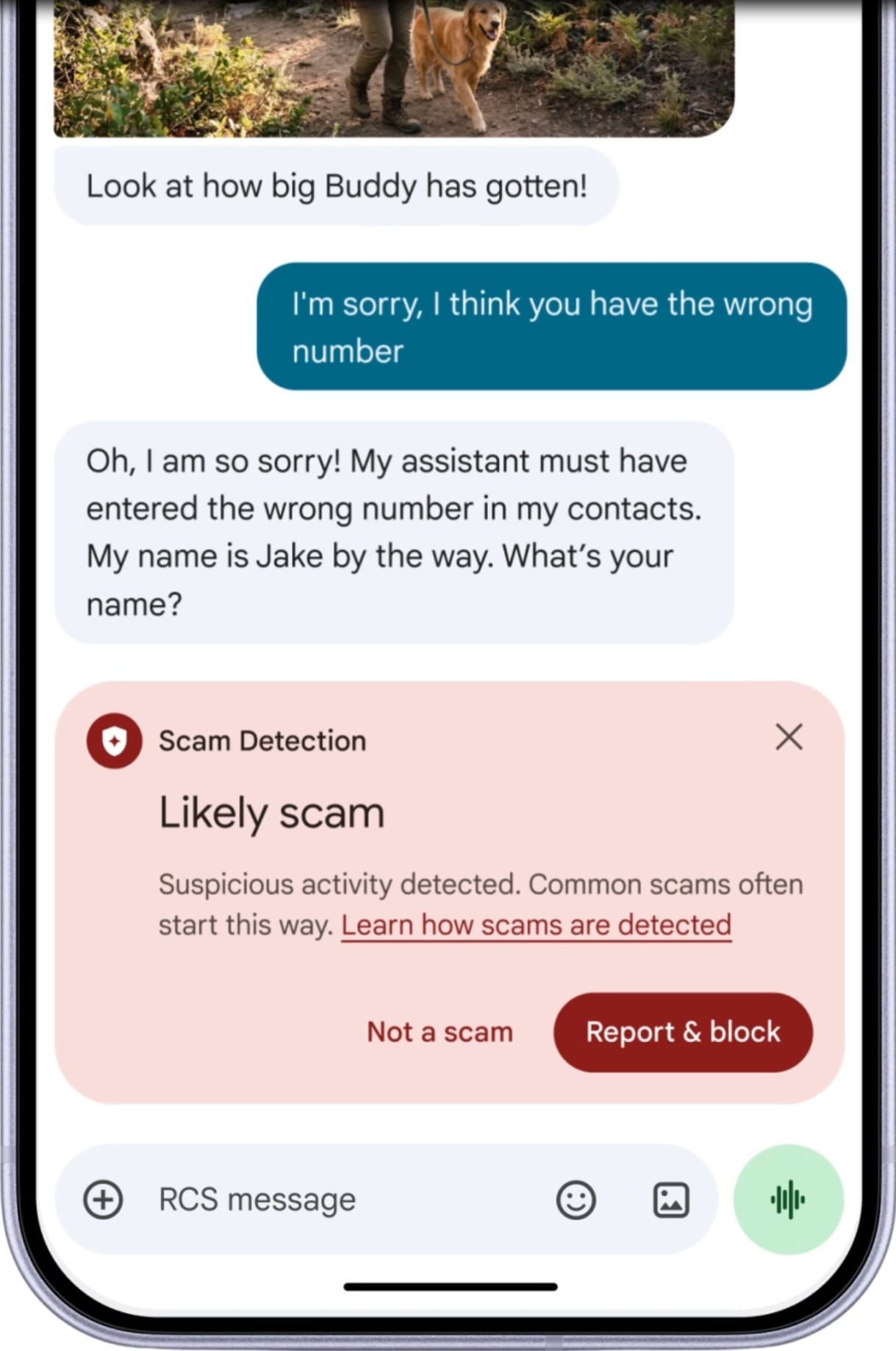
The new protections focus on Google Messages and are based on cloud-based, Gemini-powered analysis of complex conversations that examines them for signs of fraud.
The system analyzes conversations with unknown senders within the encrypted Private AI Compute environment, protecting user privacy at all times.
The new mode also adds Gemini Nano checks (local AI model) on the device, which use real-time web signals to check for unknown links, as well as clearer warnings about opening links from unsaved numbers.
The new cloud-based protections are currently disabled by default, so users can enable them.
Source: Google
Further improvements
In addition to Google Messages protection, Google has also implemented the improvements in other areas of the Android system:
- On-device fraud detection in chat notifications, previously launched on Pixel, will reach hundreds of millions more users later this year through Android device partners.
- The existing Android masking of sensitive information is now extended to Chrome and Android WebView, hiding login fields and payment screens during live screen sharing.
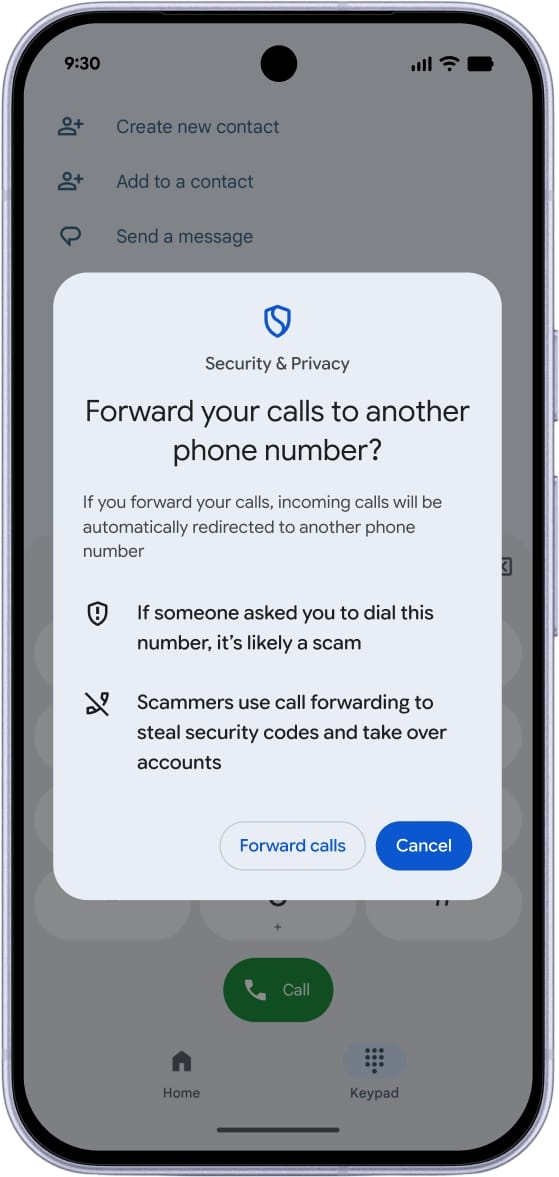
- Android prevents apps from silently enabling call forwarding in the background and warns users before manually entered MMI forwarding codes take effect.
Source: Google
Google is also expanding its Verified Bank Calls system, launched earlier this year, and adding more financial institutions.
This system checks whether a real bank’s call center initiated an incoming call or whether it is a spoofing attempt. If verification fails, the call is automatically ended.
Google says it has blocked over 3 million fraudulent calls of this type since June for Banco do Brasil and Itaú Unibanco alone. Revolut and other global financial institutions are also supported.
Android users should update to the latest version, keep apps up to date, and independently verify the identity of callers/senders when receiving requests for account-related actions or sensitive information.