In the iPhone 18 Pro, Apple has taken one of the next steps towards the long-term vision of a single-glass iPhone: embedding the Face ID module under the display.
Achieving this without the Face ID array is visible through the display And Without compromising the quality of this part of the screen requires some clever engineering …
Jony Ive explained his long-term vision of designing a single glass iPhone, and while he’s no longer with the company, that goal remains. Ultimately, Apple wants to embed all the technology that requires screen real estate under the display, including Face ID and the front camera.
iPhone 18 Pro has achieved these first things, but it is not an easy task. Face ID requires infrared light to be both emitted and received by the TrueDepth module – and IR light cannot pass through display pixels.
Apple needs to make the gaps between the pixels large enough to allow IR light to pass between them, but without visible degradation in the display. To do this, the company’s engineers set out to design different pixel patterns with larger gaps without affecting what can be displayed on those pixels.
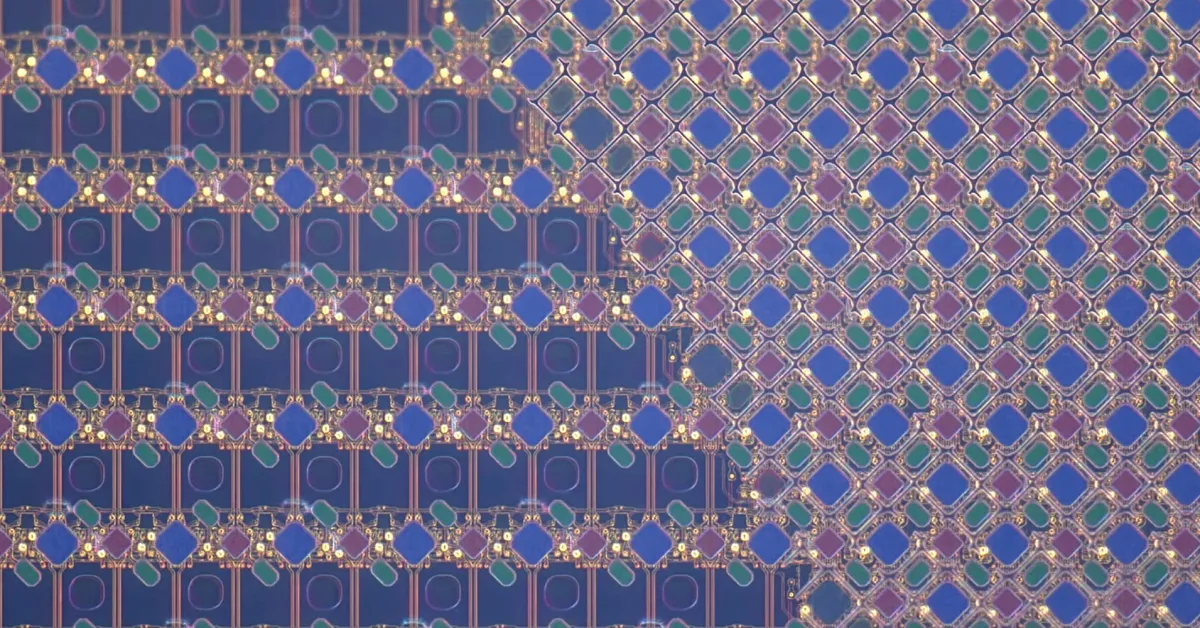
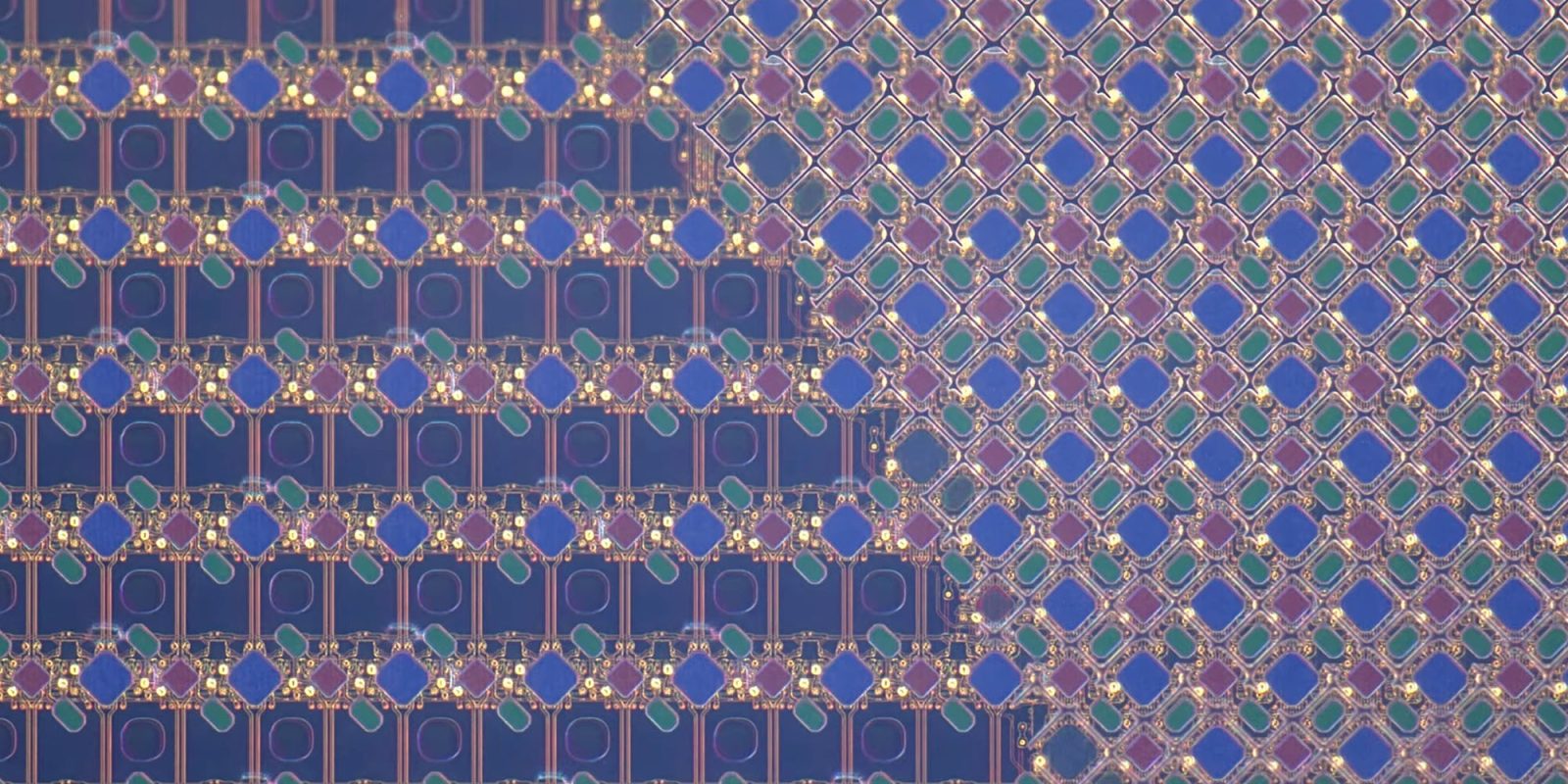
iFixit Using a microscope to show this pixel pattern, Apple confirmed to me that the module’s overall pixel density has been halved. This may create a second problem: half the pixel density may create a clearly dimmer part of the display, so Apple increases the brightness of these pixels to compensate. There also appears to be an IR pass through filter to block visible light from passing through the gap, further hiding the element.
The results are remarkable. For all practical purposes, the TrueDepth camera array is impossible to see even when staring at it very closely. I couldn’t capture it even using macro shots with different screen colors and lighting conditions. That’s not to say it’s completely undetectable, as iFixit’s microscopic look at it shows, but rather that there’s no way you’ll notice it in everyday use.
Now, that success reduces the size of the Dynamic Island, which makes it possible to support three live activities rather than two. In some future iPhone models, the front camera will be hidden under the display. That’s technically possible today, but the compromise in current image quality is more than Apple is willing to accept. Solving the problem is a matter of time rather than if.